
Lawn Care App: On-Demand Pricing, Bidding & Vetting
Short answer
A lawn care app connects homeowners directly with vetted outdoor contractors to book, manage, and verify yard services digitally without phone estimates or contracts. Platforms like Mowz automatically assign a professional when a homeowner schedules a mow, then charge the registered credit card and send a verification photo once complete. Alternatively, services like LawnStarter provide upfront quotes covering standard mowing, edging, and blowing, while apps like GreenPal let local vendors bid using aerial images and square footage data.
““They get the Google aerial view, the Google Street view, and also now they get the square footage of the property. They get all that, they can bid on the property, and all those bids go to the homeowner for review.””
Gene Caballero, co-founder of GreenPal, GreenPal
A lawn care app eliminates friction in residential maintenance by connecting property owners with service crews through mobile platforms. These marketplaces replace manual telephone estimates and paper billing with automated matching, digital property measurements, and verified electronic payments.
How on-demand booking platforms automate service matching and job verification#
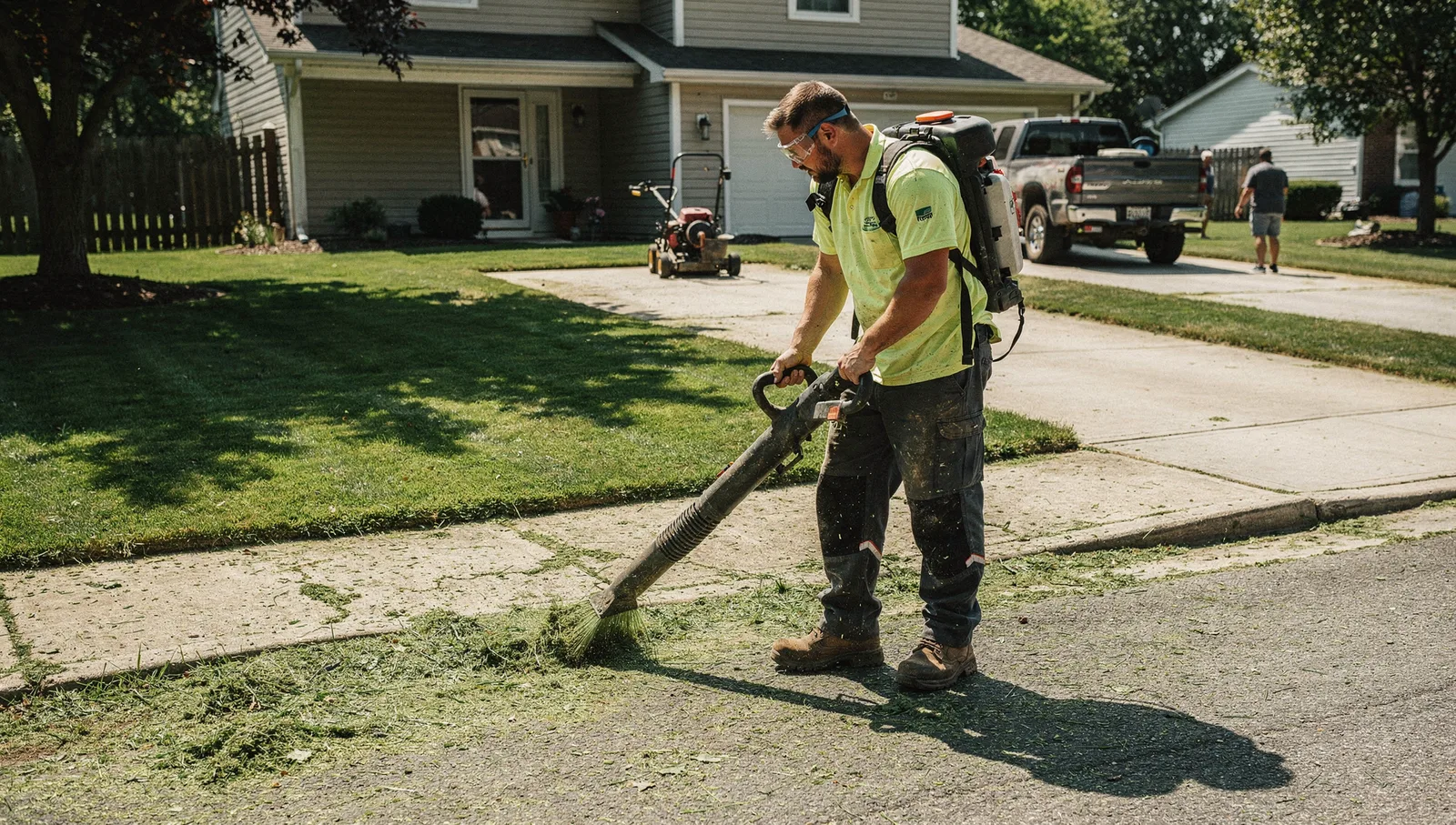
An on-demand lawn care app coordinates field labor by automating job assignment, scheduling, and billing verification without direct human coordination. On Plowz & Mowz, a homeowner taps a button on the Mowz mobile interface to request a cut. And the platform assigns an available contractor automatically (sterlingheights.gov). Work verification occurs when the system sends a photograph of the mowed grass directly to the customer and executes an automated charge against the customer's credit card.
- Homeowner schedules mow
- Platform assigns contractor
- Contractor completes visit
- Photographic audit delivered
- Card charged automatically
Delivering a photographic audit alongside automated billing creates an operational record for both parties. The homeowner confirms that the cut occurred according to standard turfgrass management expectations without being present on site. Meanwhile, automated credit card billing reduces delinquent receivables for the contractor while maintaining payment card industry compliance across the platform.
Platforms structure booking options around property maintenance cycles:
- One-time service: An unscheduled, single mowing job ordered as needed during seasonal peaks (sterlingheights.gov).
- Recurring weekly service: Scheduled recurring visits booked without requiring long-term seasonal contracts.
Standard yard care package inclusions and post-service evaluation methods#
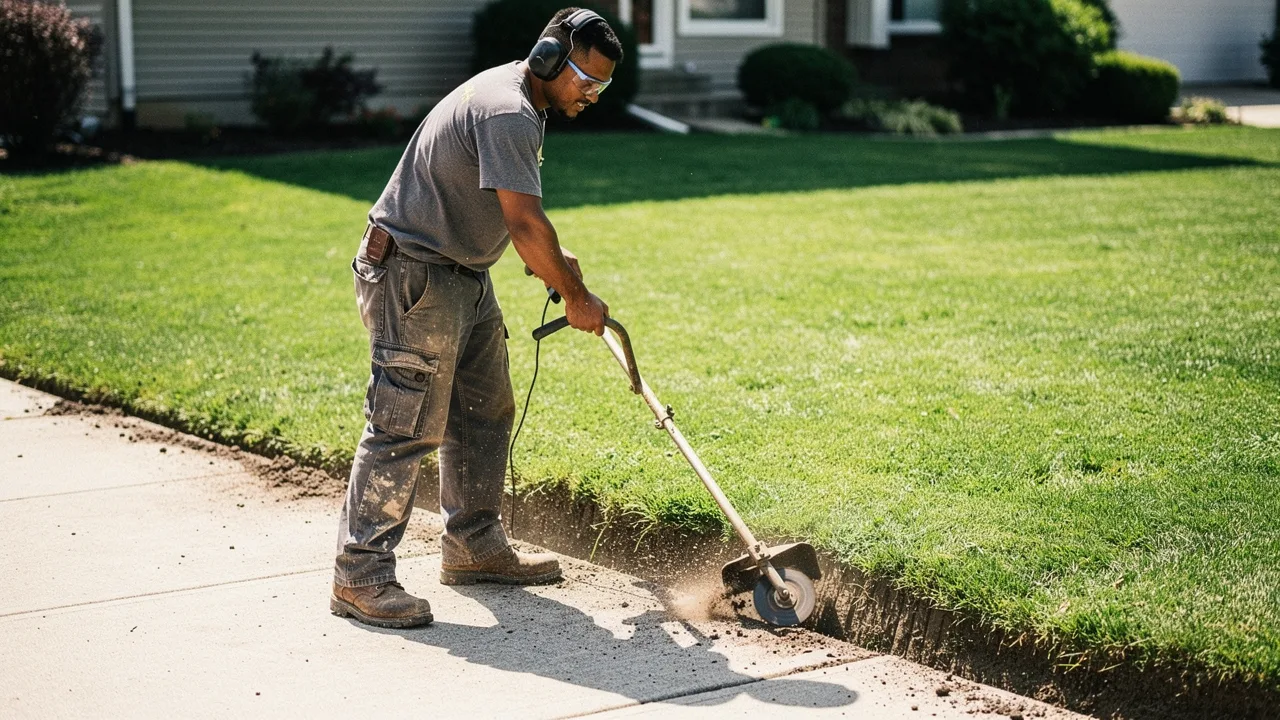
Standard maintenance scopes across marketplace applications package core manual tasks together so crews can complete visits efficiently. On the LawnStarter platform, standard yard care services include mowing, edging, and blowing (sterlingheights.gov). Quality monitoring relies on mobile feedback prompts that ask homeowners to review the crew's execution after each visit.
| Package Inclusion | Standard Task Scope | Primary Field Objective |
|---|---|---|
| Mowing | Cutting turfgrass evenly across all lawn sections | Maintain uniform canopy height |
| Edging | Trimming borders along sidewalks, curbs, and beds | Establish crisp boundary definition |
| Blowing | Clearing clippings off hardscapes, patios, and drives | Prevent debris accumulation |
Evaluating services through immediate post-visit prompts enforces an informal service-level agreement between the platform, the homeowner, and the contractor. Gathering ratings per property keeps service quality consistent across the network without requiring physical field inspectors to check residential lawns.
Service provider vetting criteria and insurance verification#
Service provider vetting forms the core trust framework that enables marketplaces to dispatch independent contractors to residential private properties. LawnStarter guarantees that its service professionals are fully vetted and meet all insurance requirements (sterlingheights.gov).
Contractors must meet platform requirements before being cleared for service:
- Be fully vetted by the platform (sterlingheights.gov).
- Meet all insurance requirements established by the service.
Once operational friction around credential checking and route density surfaces in a market, that is the point to bring in home services marketplace help to maintain high standards.
Remote bidding mechanics using aerial imagery and property dimensions#
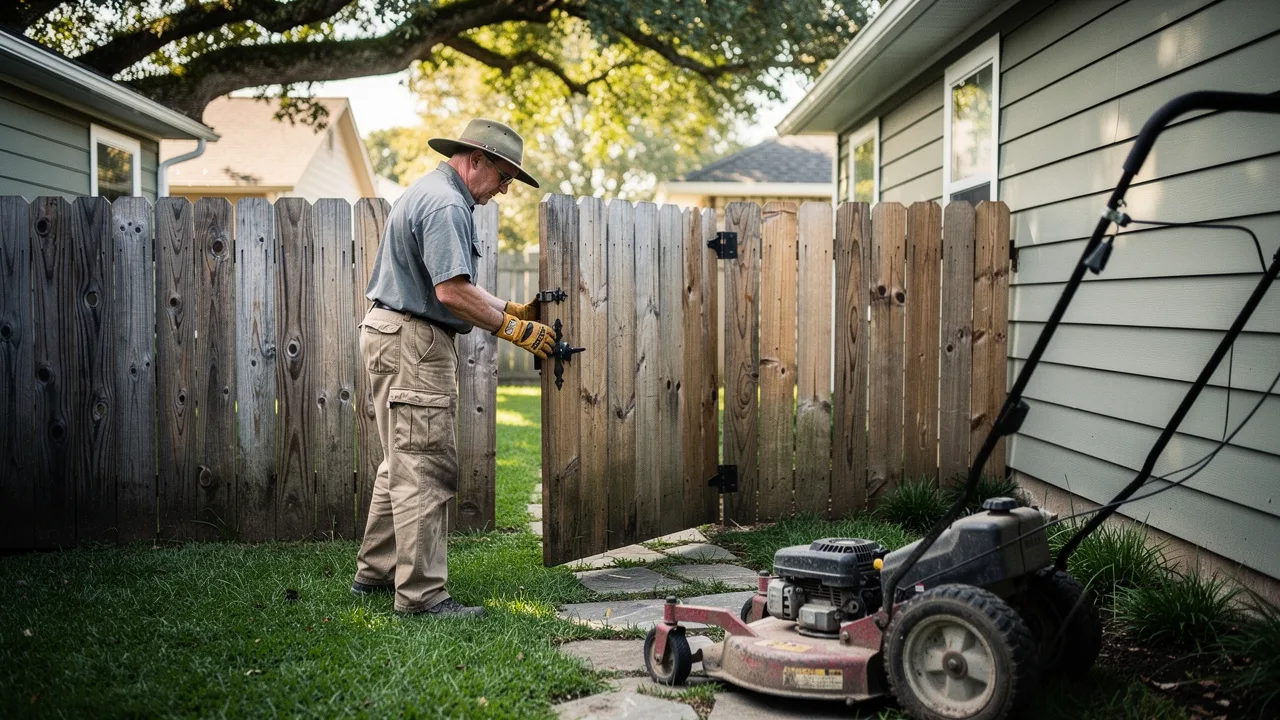
Marketplace platforms replace physical pre-bid property walkthroughs with digital parcel measurements and overhead satellite imagery. On GreenPal, local landscaping vendors review customer descriptions alongside Google Earth images of yards to bid remotely on jobs (en.wikipedia.org). By eliminating physical inspection trips, contractors evaluate lawn dimensions and access points directly from mobile devices before offering proposals.
According to reporting published by WSLS (April 28, 2025), GreenPal vendors receive Google aerial views, Google Street views, and square footage measurements of the property to bid on lawn care jobs (wsls.com). Access to these spatial views allows contractors to calculate proper application rate metrics, mower pass requirements, and labor time. Because homeowners view competing offers within the app, remote digital bidding creates an efficient local market without requiring site visits.
Pricing models and algorithmic mechanics in on-demand service platforms#
Algorithmic pricing replaces fixed rate sheets with real-time rate adjustments based on supply conditions and property specs.
Data inputs and functional mechanics of automated price setting#
Dynamic pricing models calculate market-clearing rates by evaluating immediate operational capacity alongside customer sensitivity. The functional mechanics of an algorithm consist of monitoring real-time input data, balancing it against accumulated historical data such as past supply and demand responses, and generating a profit-maximizing output price (antitrustinstitute.org).
Real-time pricing engines combine data and assumptions regarding prices, volumes, inventory, and customer responsiveness to forecast demand elasticity and calculate optimal prices in real or near real time (oecd.org). In platform surge pricing models, algorithms monitor inputs including supply, demand, and external conditions such as bad weather, rush hour, and special events to adjust prices when demand rises or driver supply drops (antitrustinstitute.org).
Surge Rate Calculation:
Rate = Base Rate × f(Real-Time Demand, Available Supply, Weather / Event Conditions)
Adjusting rates against live supply balances marketplace liquidity across suburban routes. Homeowners receive accurate market pricing during peak mowing seasons, and providers earn rates that reflect difficult weather or limited neighborhood availability.
Regulatory approaches to disclosure and transparency in personalized pricing#
Personalized pricing systems face oversight from market regulators seeking to maintain fair commercial standards across consumer platforms. Consumer protection authorities addressing non-transparent personalized pricing can require commercial firms to disclose information regarding pricing strategies so consumers understand these systems and can take steps to circumvent them (justice.gov).
Regulatory authorities also investigate and sanction ancillary practices that limit marketplace transparency or restrict consumer choice (justice.gov). When platforms disclose the mechanical factors driving algorithmic rates, users can evaluate whether to accept real-time pricing or adjust their service timing to lower costs.
To evaluate an on-demand lawn care app for your property this week, take these steps:
- Verify that standard service packages cover mowing, edging, and hardscape blowing (sterlingheights.gov).
- Check that the platform requires commercial vetting and current insurance coverage for all crews.
- Confirm that pricing quotes leverage accurate aerial square footage measurements rather than rough estimates (wsls.com).
- Inspect completion photos in the application before authorizing automatic credit card charges.
| Platform | Provider Assignment Method | Pricing & Bidding Model | Standard Verification / Review Mechanism |
|---|---|---|---|
| Plowz & Mowz | Automatic assignment upon tapping Schedule a Mow | Direct app pricing without contracts; one-time or recurring weekly service | Sends a lawn photo for verification, then charges the credit card |
| LawnStarter | Matched via address input and scheduled service request | Personalized quotes based on requested services (mowing, edging, blowing) | Homeowners leave feedback via mobile app after each service |
| GreenPal | Nearby vendors submit bids after evaluating job details | Competitive vendor bidding using property square footage and aerial imagery | Ratings and user reviews evaluate vendors |
| Pricing Framework | Primary Input Data | Operational Mechanism | Regulatory / Disclosure Remedies |
|---|---|---|---|
| Dynamic Pricing | Market metrics including real-time demand, inventories, capacity, and rival prices | Adjusts prices in real or near-real time without requiring consumer-specific profiling | Consumer protection monitoring to ensure fair competitive standards |
| Surge Pricing | Live passenger or job demand, driver supply, bad weather, rush hour, and events | Calculates real-time rate multipliers when demand surges or service supply drops | Transparency requirements regarding multiplier factors and surge triggers |
| Personalised Pricing | Customer-specific responsiveness, transaction history, and elasticity assumptions | Generates profit-maximizing rates tailored to an individual customer profile | Mandated disclosure of pricing strategies and bans on non-transparent profiling |
On-Demand Lawn Mowing Price Estimator
Estimates the per-visit and seasonal cost of on-demand lawn mowing based on turf square footage, service frequency discount, overgrown grass surcharge, and lot layout parameters common to lawn care app quoting algorithms.
Estimated Price Per Visit:
Estimated Seasonal Total:
Frequently Asked Questions
Is there a lawn mowing app like Uber?
Platforms like Plowz & Mowz operate similarly to Uber by offering on-demand dispatch with no contract: tapping Schedule a Mow automatically assigns a nearby contractor, performs the cut, and bills your credit card.
What is the best lawn care app for homeowners?
Homeowners enter property details to receive automated quotes or competitive bids, book one-time or weekly recurring visits, and verify completed service through post-job photos before automatic credit card billing.
Are there lawn care apps for providers?
GreenPal provides a dedicated provider app where registered vendors review customer descriptions, square footage, and Google aerial or street views to submit remote price bids on local landscaping jobs.
Is there a free lawn care app?
GreenPal is free to join for homeowners and vendors, while on-demand platforms bill users per service without long-term contracts after work completion is verified with a photo.
Sources
- GreenPal - en.wikipedia.org (2026-09-22)
- On-Demand Yard Services | Sterling Heights, MI - Official Website - sterlingheights.gov
- Personalised Pricing in the Digital Era Background Note by the Secretariat - justice.gov
- Algorithmic pricing and competition in G7 jurisdictions (EN) - oecd.org
- When Pricing Gets Personal: Defining and Regulating Surveillance Pricing - americanbar.org (2026-04-30)
- New service launched in Roanoke to hire local lawn professionals - wsls.com (2025-04-28)
- “WELCOME TO THE HOTEL CALIFORNIA”: THE BEAST OF ALGORITHMIC PRICING - antitrustinstitute.org